

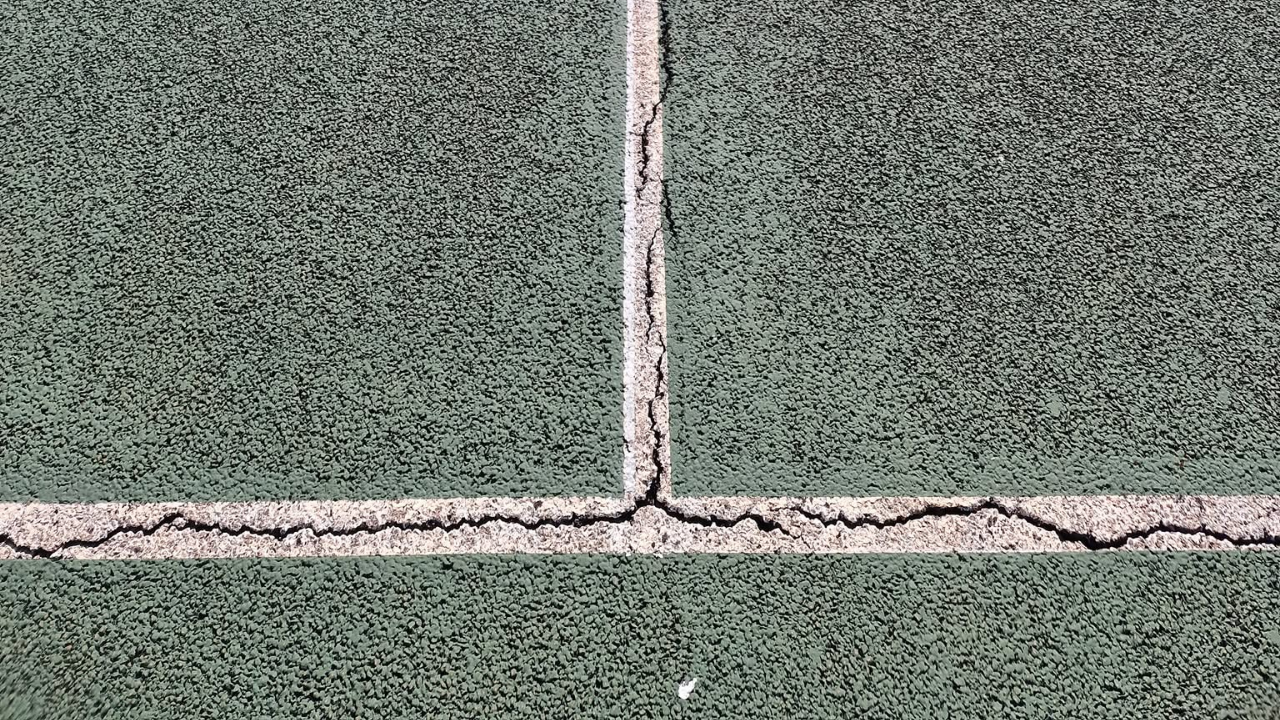
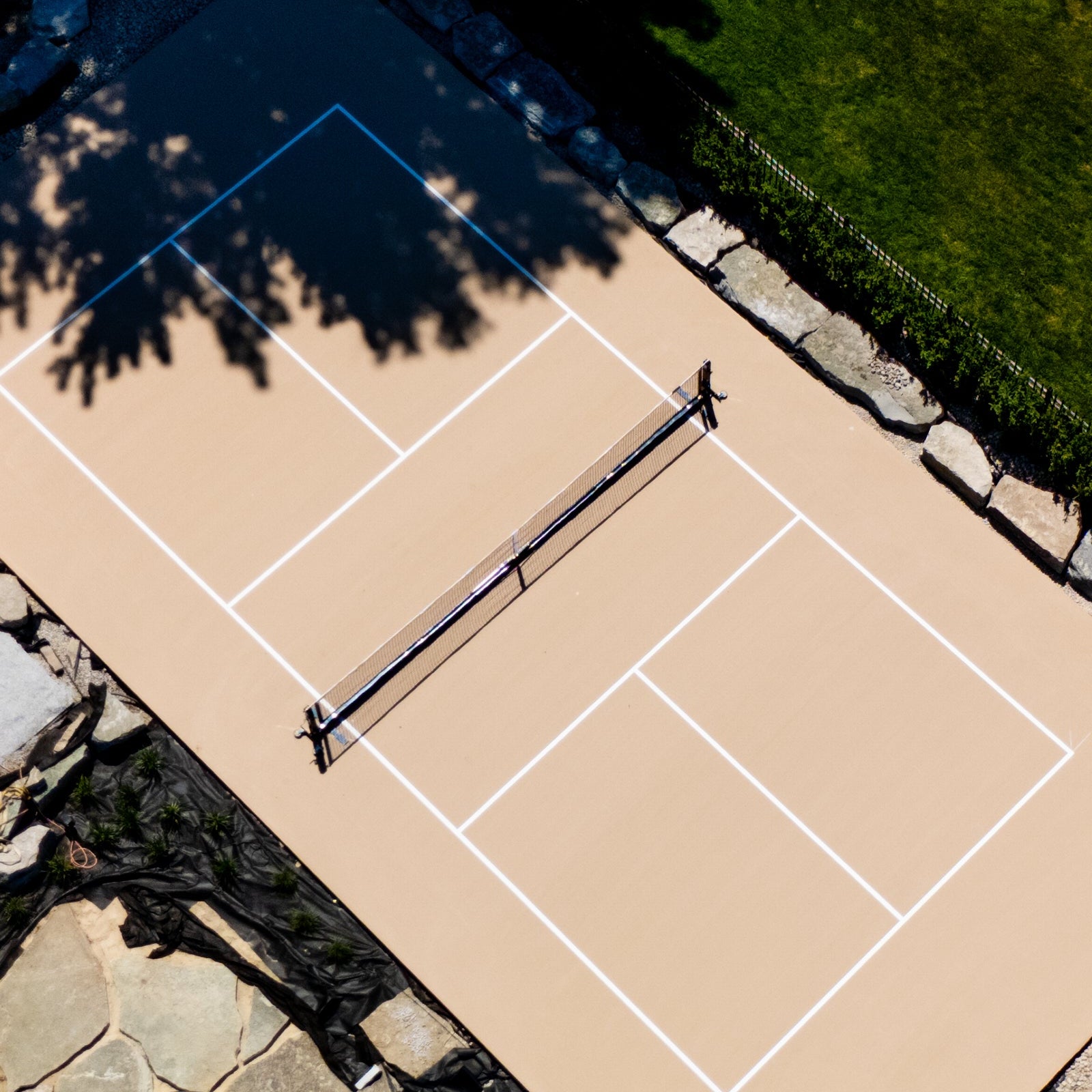
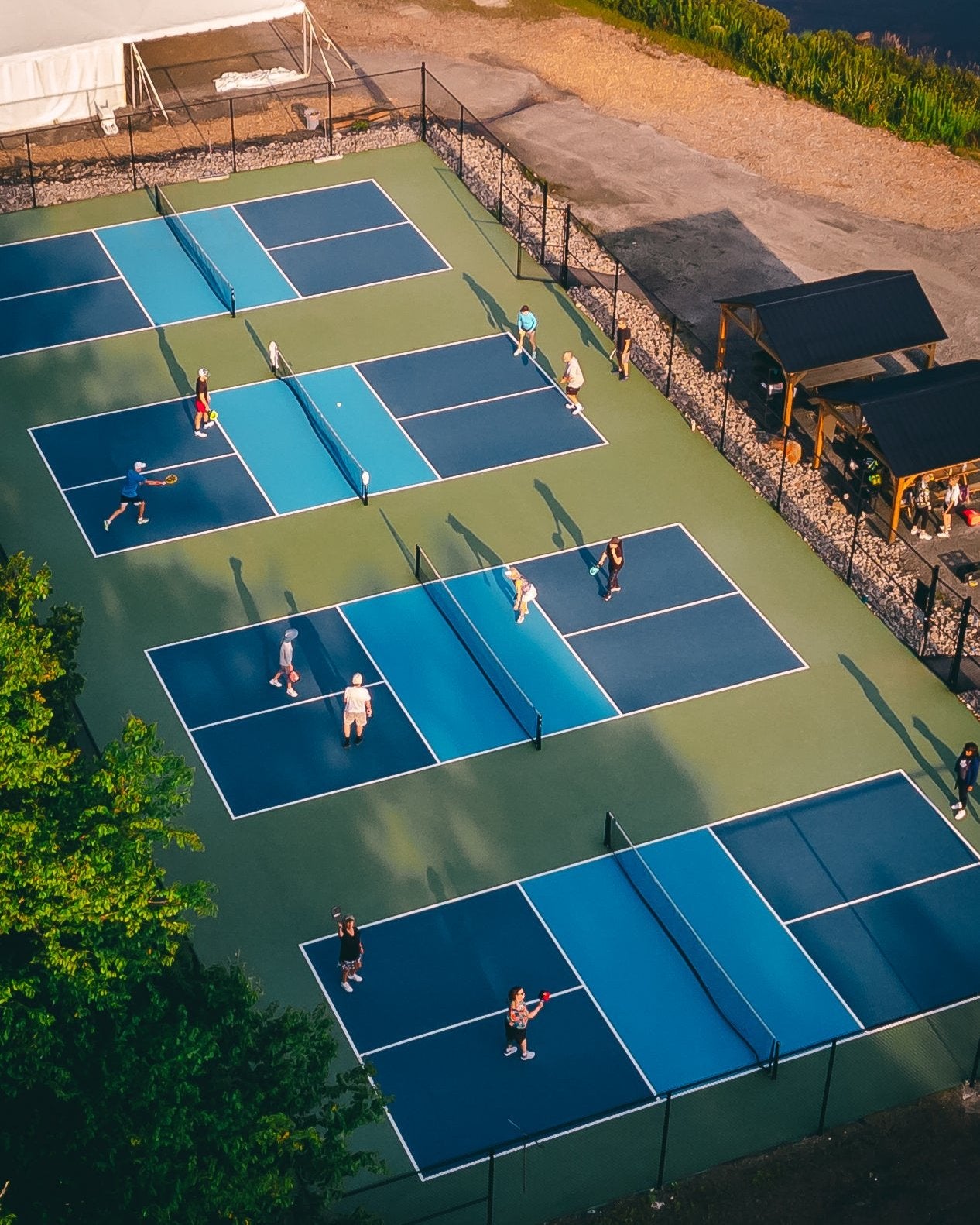
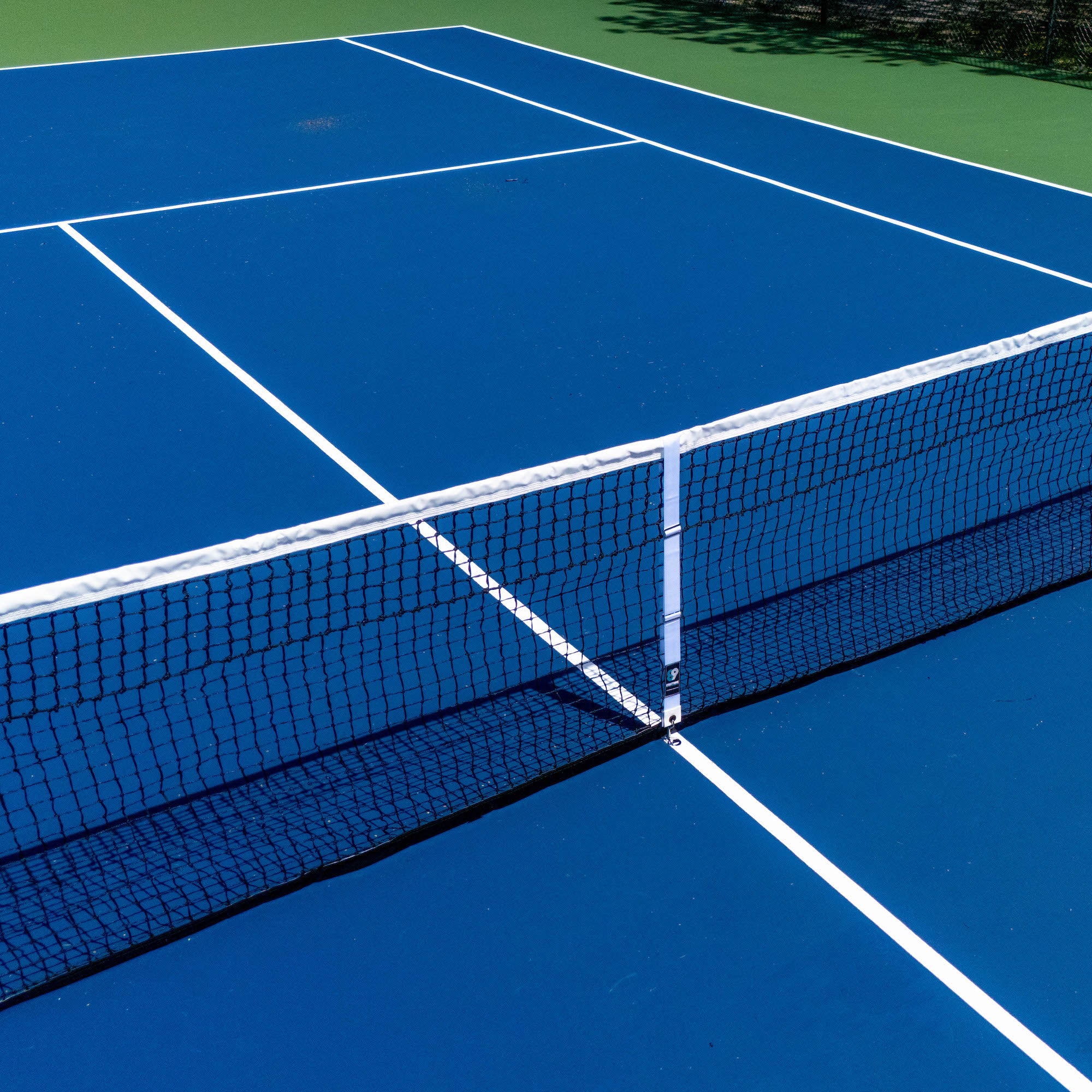
If you've noticed cracks tracing along the white lines on your tennis, pickleball, or basketball court before they show up anywhere else on the surface, that's not a coincidence. Court lines crack because white paint reflects sunlight, keeping that strip of the surface noticeably cooler than the darker acrylic surrounding it. That temperature difference creates repeated stress right at the edge of the line, and over time, that stress causes the surface to crack along the seam.
Here's a closer look at what's actually happening beneath those lines, and how to stop it from becoming a bigger problem.

Why Cracks Form on the Lines
Cracking along court lines almost always comes down to a few compounding factors.
Heat Difference
White line paint reflects sunlight, keeping that strip of the surface noticeably cooler than the darker acrylic surrounding it. That constant temperature gap creates repeated stress right at the edge of the line, day after day.
Movement Stress
Because the cooler line area and the warmer surrounding surface expand and contract at different rates, the two sections are essentially pulling against each other. Over time, that repeated push and pull is enough to crack the surface right along the seam.
Water Damage
Once a small crack opens along a line, rain and moisture work their way in. If that water freezes, it expands and forces the crack wider, and in Canadian climates, this cycle repeats constantly through the fall, winter, and spring.
Why This Is a Bigger Problem in Canada
The temperature-driven cracking described above happens everywhere, but freeze-thaw cycles make it significantly worse in Canada. Once water gets into a line crack and freezes, it doesn't just sit there; it expands, widens the crack, and sets the surface up for even faster damage the next time temperatures swing. That means line cracking that might stay minor in a warmer climate can escalate quickly here without the right prevention in place.
How Fiberglass Mesh Helps Prevent Line Cracking
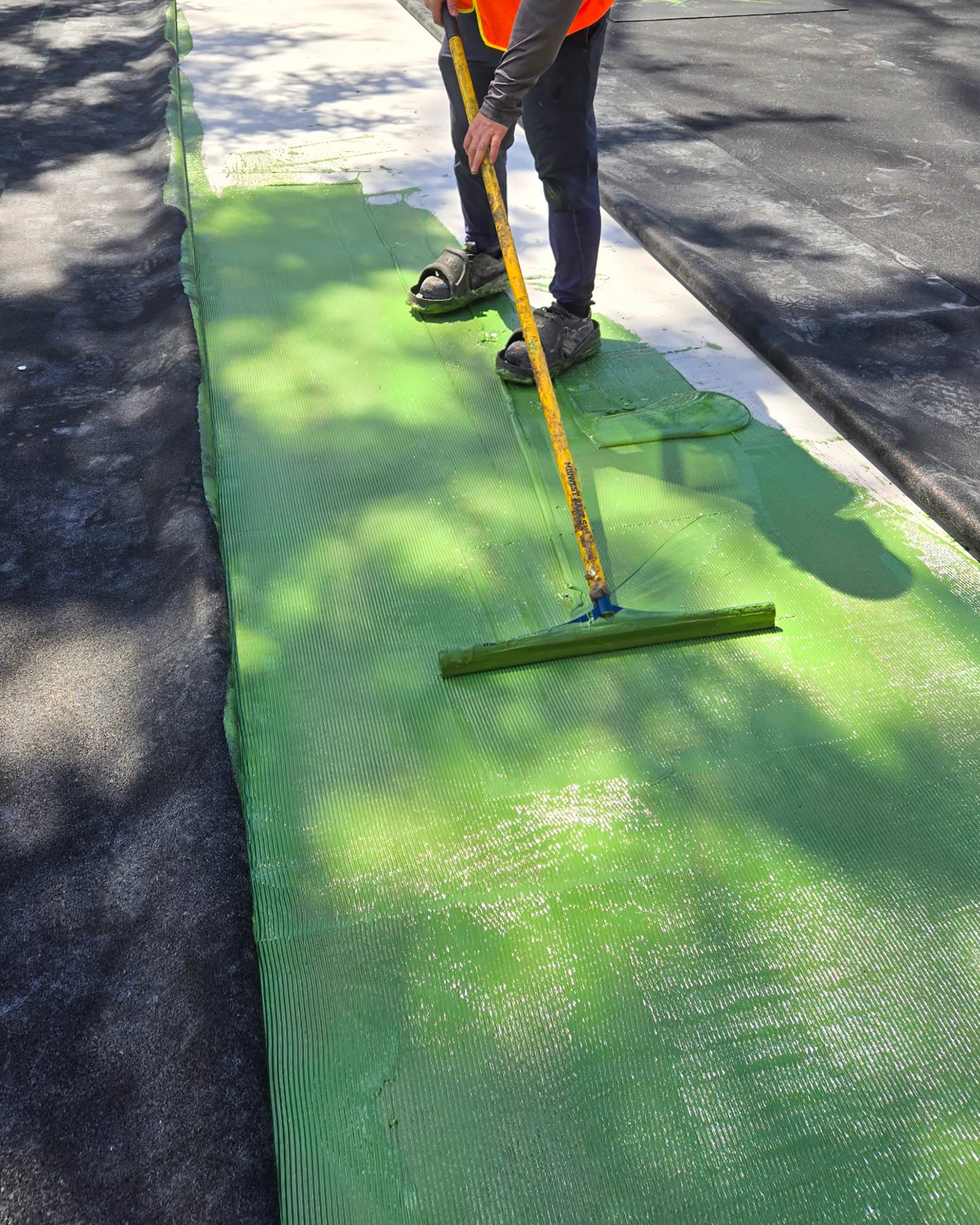
EIGHTYNINE Sports Fiberglass Mesh is a reinforcement membrane installed during the acrylic resurfacing process, and it's one of the most effective ways to stop this specific type of cracking before it starts.
Benefits of Fiberglass Mesh Reinforcement Bonds seamlessly with acrylic resurfacer for superior adhesion Adds flexibility that helps absorb the constant expansion and contraction around lines Helps prevent that stress from ever reflecting through as a visible crack Suitable for both new courts and restoration projects on existing surfaces Efficient coverage, with rolls measuring 4' wide by up to 750' in length
Because line cracking is driven by repeated movement rather than a single event, reinforcement matters more here than almost anywhere else on the court. Fiberglass mesh gives the surface the flexibility to handle that constant heat and movement differential without cracking along the same seam year after year.

What to Do If Lines Are Already Cracking
If you're already seeing cracks along your court lines, the right treatment depends on the size of the crack.
Small Cracks (1/16" or Less)
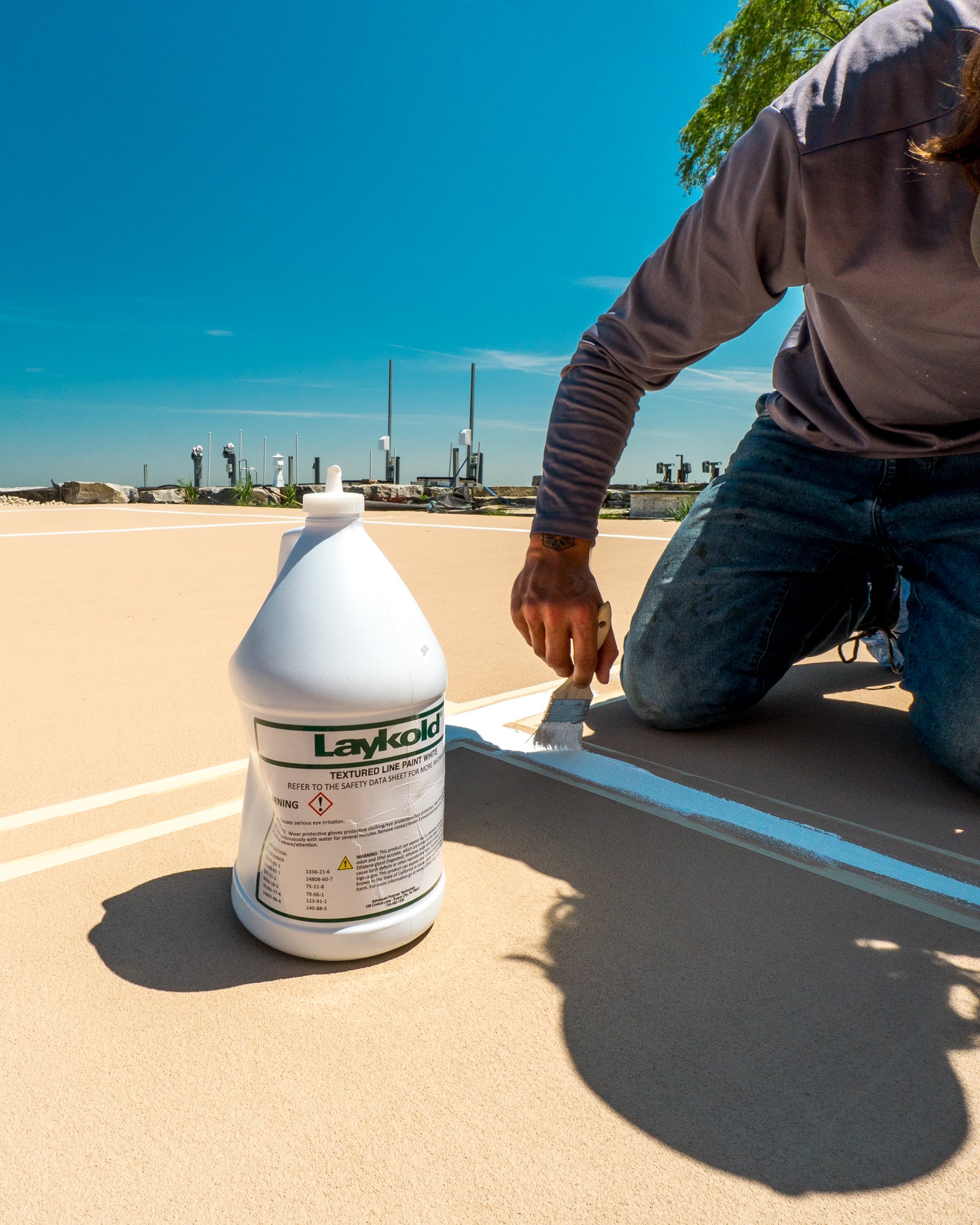
Small cracks can typically be cleaned, primed, and filled using a crack fill solution. Then finally isolated with masking tape and spot painted with your color and line paint.
Larger Cracks
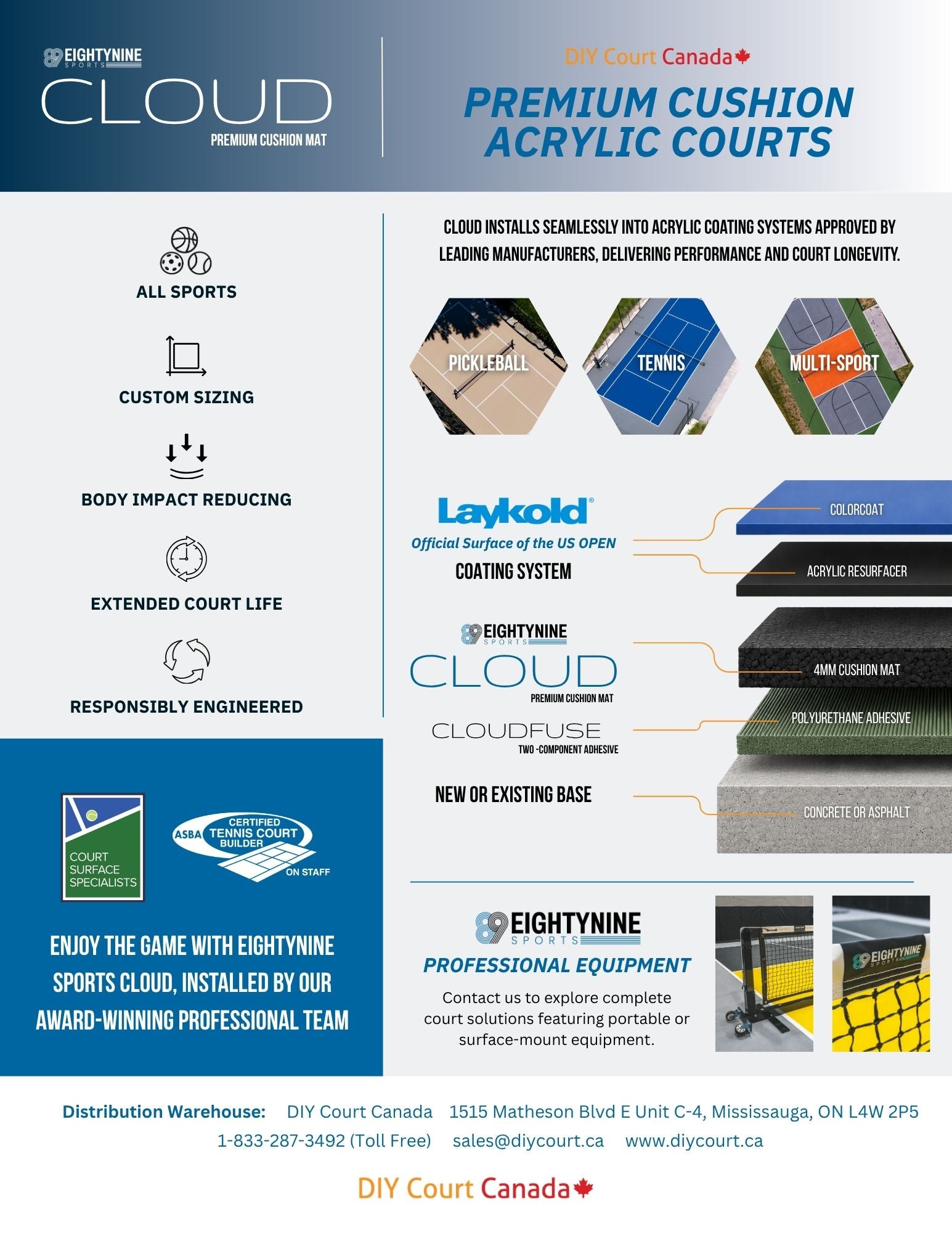
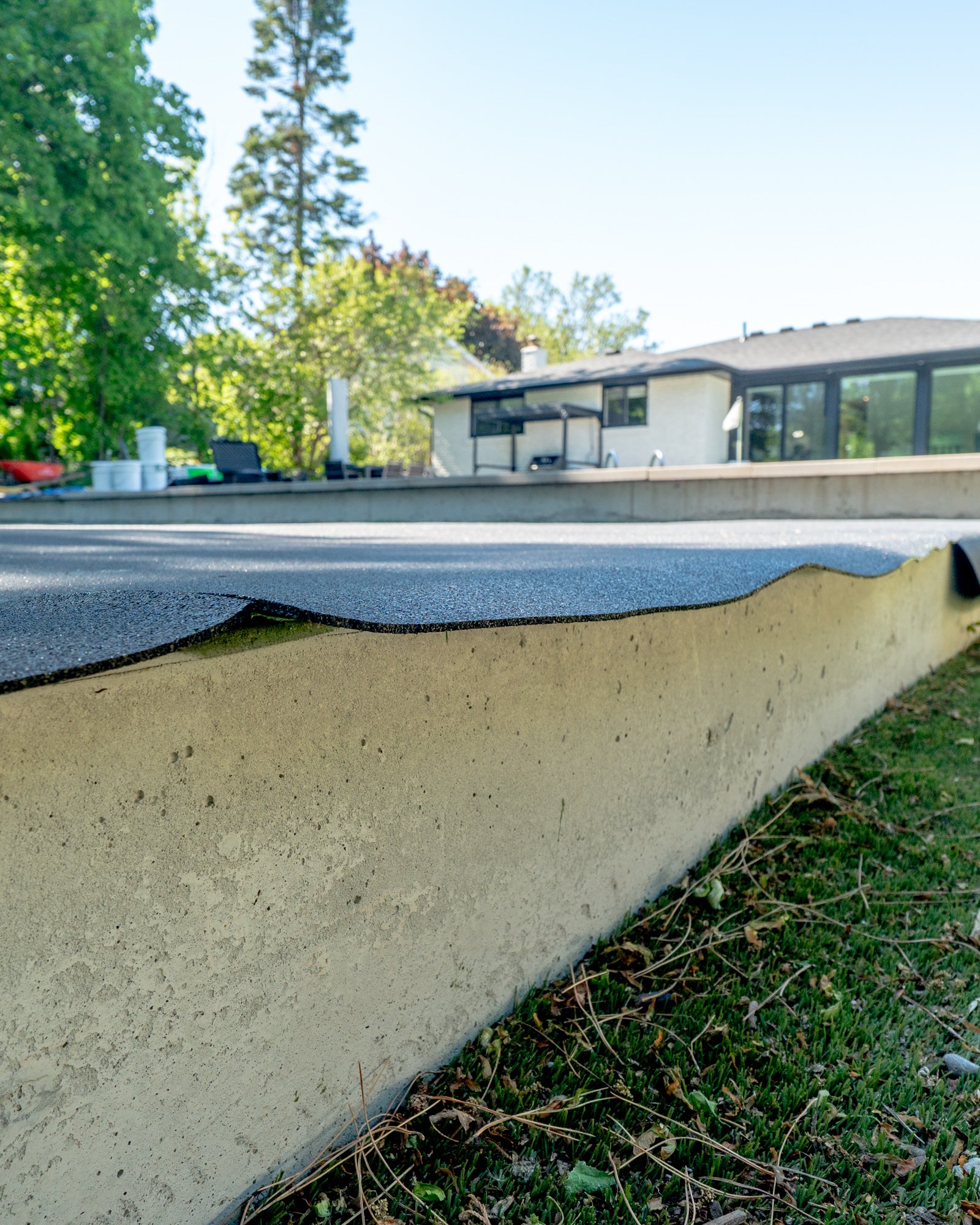
For larger cracks appearing throughout all game lines, a small or full resurface may be more efficient. An acrylic deep patch (court patch binder) mix may be used and the consideration of a fiberglass mesh during the acrylic resurfacing process to reinforce the coating above it.
Built for Year Round Play
Because freeze-thaw cycles make line cracking worse in Canada than in warmer climates, reinforcement is especially important here. Laykold acrylic surfacing, the official surface of the US Open, Miami Open, and Indian Wells, paired with fiberglass mesh reinforcement, gives Canadian courts a stronger defense against the seasonal stress that causes most line cracking.
Frequently Asked Questions
Why do cracks always seem to follow the white lines on my court? White line paint reflects sunlight and stays cooler than the surrounding darker surface. That temperature difference creates repeated stress at the edge of the line, which is why cracks tend to form there before anywhere else on the court.
Can fiberglass mesh be added to an existing court, not just a new one? Yes. Fiberglass mesh is suitable for both new acrylic installations and restoration projects on existing courts with line cracking.
Will repainting the lines fix the cracking? No. Repainting addresses the appearance, but the underlying stress that caused the crack will continue unless the surface is reinforced, typically with fiberglass mesh during resurfacing.
Ready to Stop Line Cracking Before It Starts?
Whether you're resurfacing an existing court or planning a new one, DIY Court Canada can help you choose the right acrylic system and reinforcement to prevent line cracking for the long term.
Contact our team today to learn more about EIGHTYNINE Sports Fiberglass Mesh and acrylic court reinforcement.










Share:
What Is the Best Size for a Backyard Basketball Court?
What's the Best Surface for an Outdoor Basketball Court?